
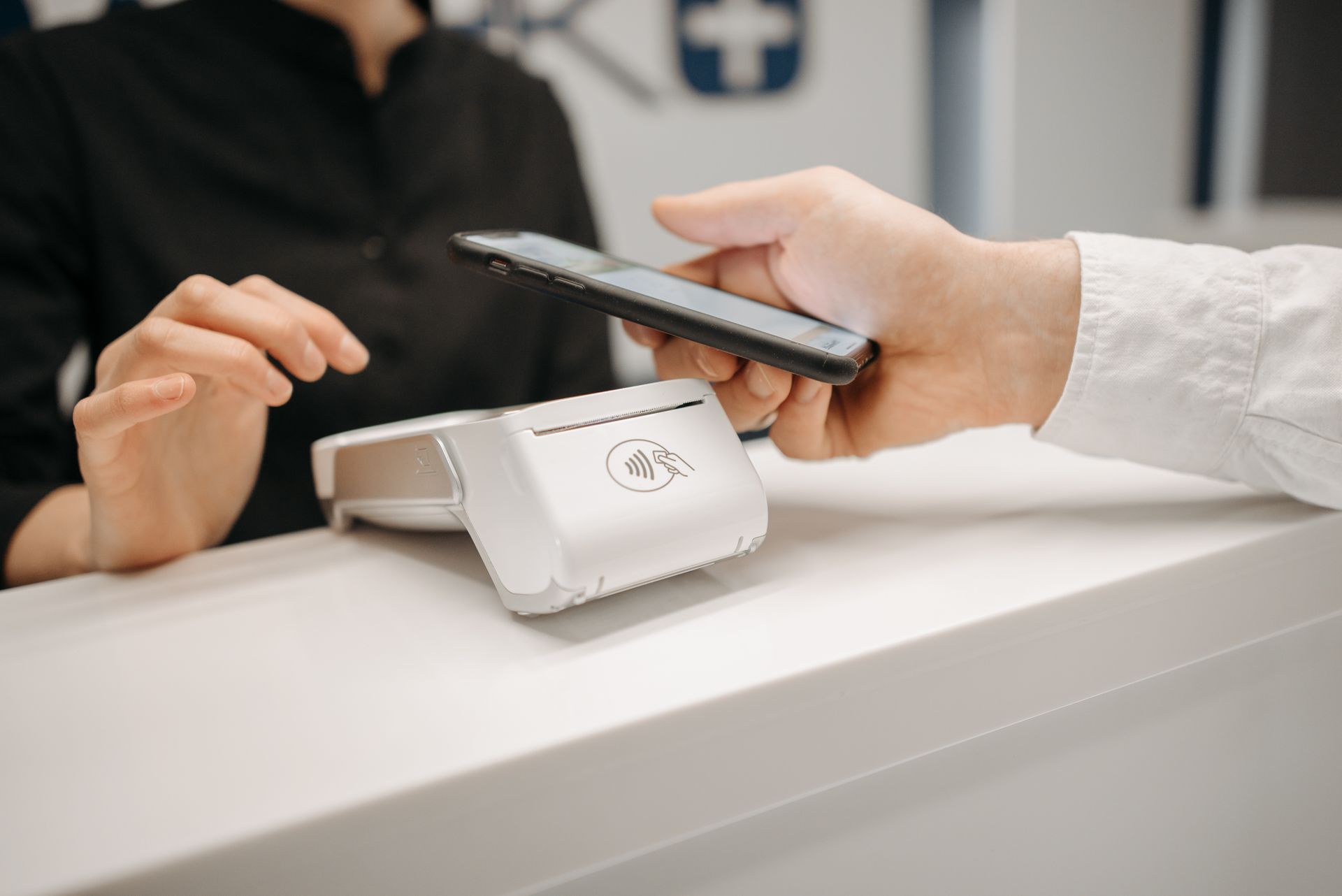
Remember when sending money meant visiting a bank, filling out paperwork, and waiting in long queues? Those days feel like a lifetime ago. Today, sending and receiving money is as simple as tapping a few buttons on your phone. Mobile money has completely changed how people shop, pay bills, and manage their finances. But technology isn’t standing still. Digital payments are becoming faster, smarter, and more convenient. So, what happens after mobile money? Let’s explore some exciting developments that could shape the future of how we pay.
The Rise of Digital Wallets
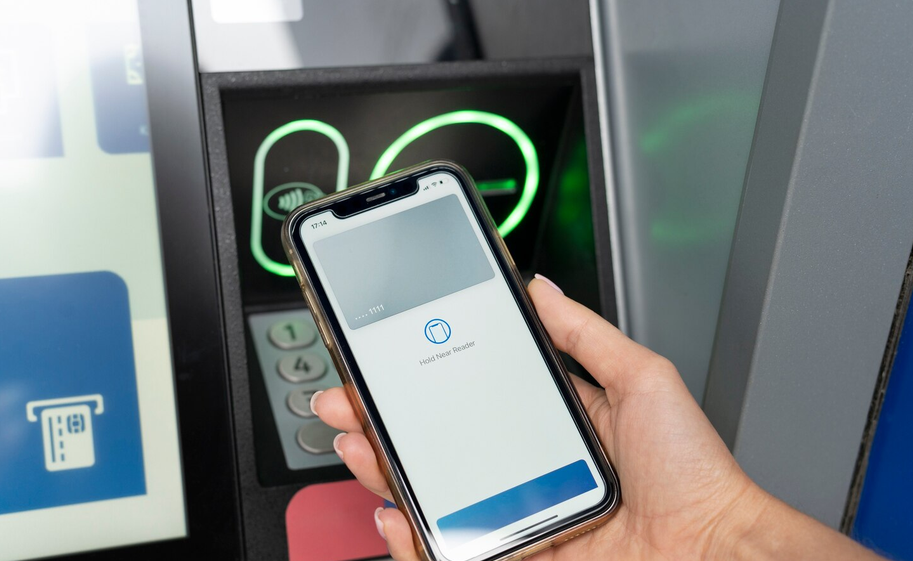
Digital wallets are becoming an important part of everyday financial transactions. Instead of carrying cash or physical bank cards, people can store payment information on their smartphones and pay directly from their devices. Services such as Apple Pay and Google Pay are already making contactless payments easier in supported markets. As more businesses adopt these technologies, digital wallets could become an even bigger part of everyday shopping.
Biometric Payments Could Become Normal
Imagine paying for groceries using just your fingerprint or face. Sounds futuristic, right? Well, biometric technology is already being used to authenticate certain digital transactions. This technology could make payments more convenient while reducing dependence on passwords and PINs. However, protecting personal information and preventing identity fraud will remain important challenges as biometric payments become more common.
Artificial Intelligence Will Make Payments Smarter
Artificial intelligence is changing many industries, and digital payments are no exception. AI can help financial institutions identify unusual transactions, detect suspicious activities, and reduce payment fraud. In the future, AI could also help people manage their spending by analysing their financial habits and offering personalised insights. This means digital payment platforms may become more than just tools for transferring money. They could become smarter financial assistants.
The Growing Role of Cryptocurrency
Cryptocurrency is another development attracting attention in the digital payment industry. Digital currencies such as Bitcoin and stablecoins have introduced alternative ways of transferring value without relying entirely on traditional payment systems. Although cryptocurrency still faces challenges involving regulation, price volatility, and public trust, some businesses and financial institutions are exploring its potential. Stablecoins, in particular, could play a role in faster digital payments where regulations permit.
Contactless Payments Will Become More Popular
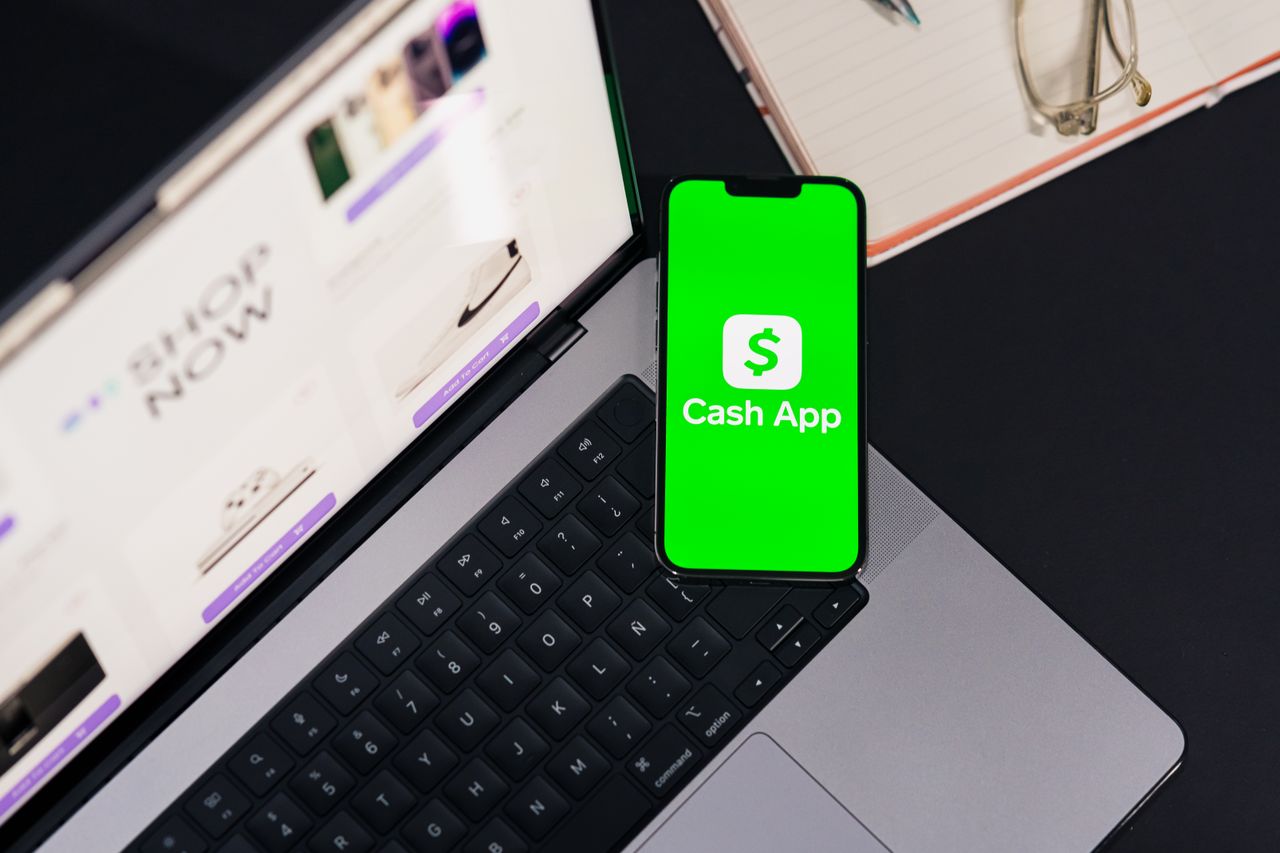
Nobody enjoys struggling with cash or waiting for a card machine to process a payment. Contactless technology offers a simpler alternative. Using near-field communication (NFC), customers can pay by tapping a smartphone, smartwatch, or contactless bank card against a payment terminal. As more retailers adopt compatible systems, this payment method could become increasingly common.
Cross-Border Payments Will Get Easier
Sending money across countries can still be expensive and frustrating. Exchange rates, transfer fees, and processing delays often make international payments complicated. New financial technologies are helping payment providers explore faster and more affordable international transfers. This could benefit freelancers, online businesses, families sending money home, and companies working with international customers.
Financial Security Will Matter More Than Ever
As digital payments grow, cybersecurity will become increasingly important. More online transactions mean more opportunities for scammers and cybercriminals. Payment providers will need stronger security systems, better fraud detection, and improved customer protection. Consumers will also need to practise safe digital habits, including protecting their PINs and avoiding suspicious payment links.
The future of digital payments goes far beyond mobile money. From biometric authentication to AI-powered transactions, exciting changes are already taking shape. While mobile money isn’t disappearing anytime soon, the next generation of payment technology promises greater convenience, speed, and security. The biggest question is no longer whether digital payments will evolve, but how quickly we’ll adapt to what’s coming next.