
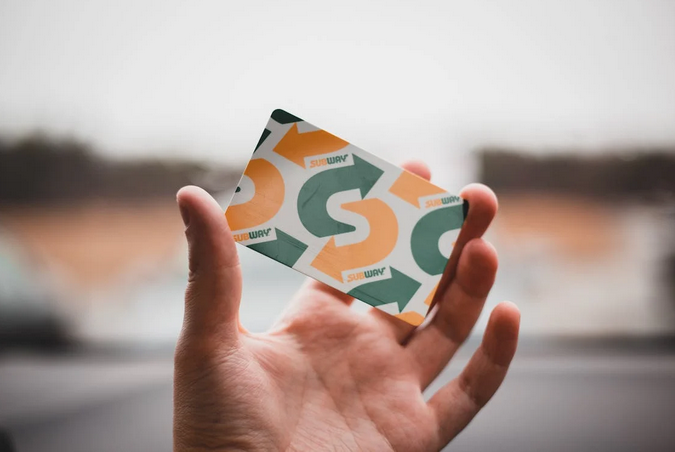
Extra money has a funny effect on the brain. A bonus lands, a gift card shows up, or cash appears in a birthday card, and suddenly, rules feel optional. This money feels lighter than your paycheck. It whispers, “Spend me fast.” That voice is charming, but it is also sneaky. Before the money disappears into takeout and impulse clicks, pause for a breath. Extra funds are powerful because they arrive without obligation. They can relieve pressure, fix annoyances, or quietly improve future stability. The trick is using them with intention, not urgency. A smart plan now keeps regret off the guest list later.
Split the Money Before You Touch It
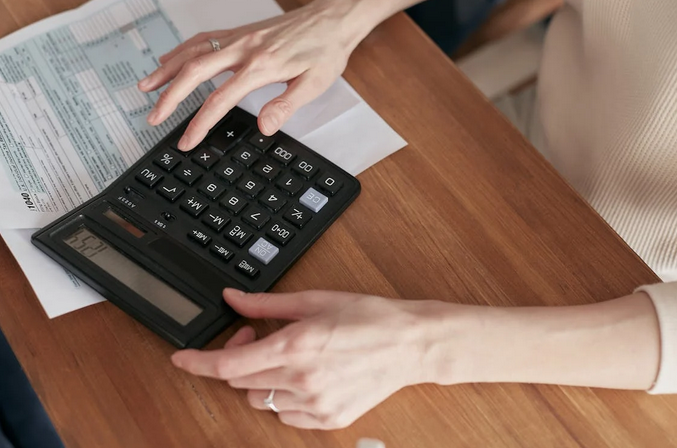
The smartest move happens before spending starts. Divide the money into simple buckets right away. One part can be enjoyed freely. One part should support future needs. This quick split removes guilt from spending and discipline from saving. Think of it like slicing a pizza. One slice for fun tastes better when the rest is accounted for. This approach avoids all-or-nothing thinking. You get enjoyment without wrecking progress. Balance keeps money from turning into emotional whiplash.
Fix Small Financial Leaks First
Extra money is perfect for quiet fixes. Pay off a lingering balance. Cover a bill that keeps popping up. Replace something broken instead of juggling it again. These small repairs reduce mental clutter. Fixing leaks does not feel exciting, but it feels calming. Less stress improves decision-making later.
Use Gift Cards Like Cash With a Mission
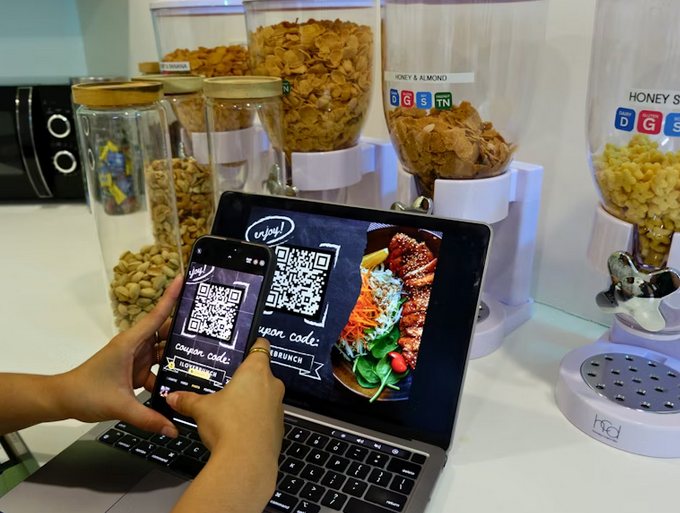
Gift cards often get spent on things you would not normally buy. Treat them like real money with a job. Decide what problem they will solve before using them. A grocery card can offset food costs for weeks. A store card can replace something already planned. This approach stretches value quietly.
Turn Part of a Bonus Into Future Relief
Bonuses feel big, even when they are modest. That feeling makes people spend fast. Instead, use part of it to buy future peace. Build a buffer. Catch-up savings. Reduce debt pressure. Future relief compounds emotionally. Knowing you have backup funds changes how money stress feels. You walk lighter through unexpected expenses.
Spend the Fun Portion Without Second-Guessing
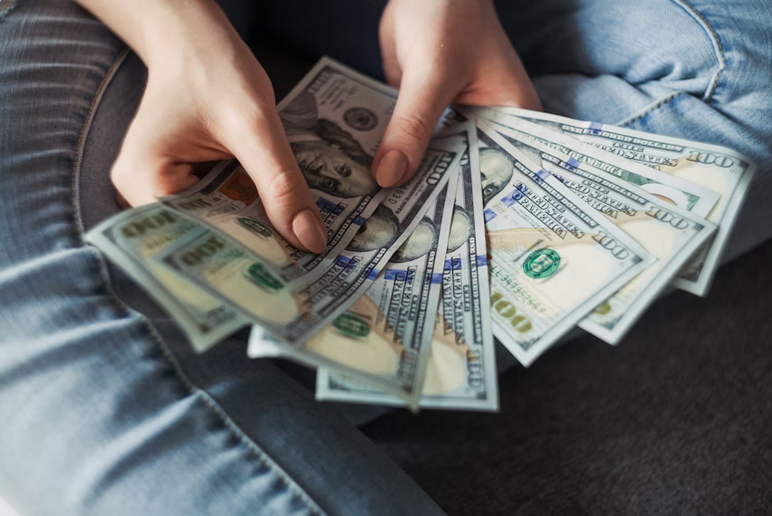
Money plans fail when joy gets excluded. Set aside a clear, fun portion and actually use it. No spreadsheets. No guilt. Enjoyment matters because deprivation leads to rebound spending. So, make sure to buy something that improves daily life. A small upgrade you use often beats a flashy item you forget. Enjoy the purchase fully.
Avoid Letting Extra Money Redefine Your Lifestyle
One-time money should not create permanent habits. Avoid upgrading recurring expenses based on temporary funds. Monthly commitments linger long after the bonus is gone. That is how stress sneaks back in quietly. Keep lifestyle steady. Let extra money stay extra. One-off treats are safer than ongoing costs.
This protects future budgets from shrinking. Stability matters more than appearances. Extra money does not need complicated rules. It needs calm decisions made early. A simple plan keeps emotions from driving. You get progress without pressure and enjoyment without fallout. That is money used right.